Tips for a trip
View allAbout Gili Islands
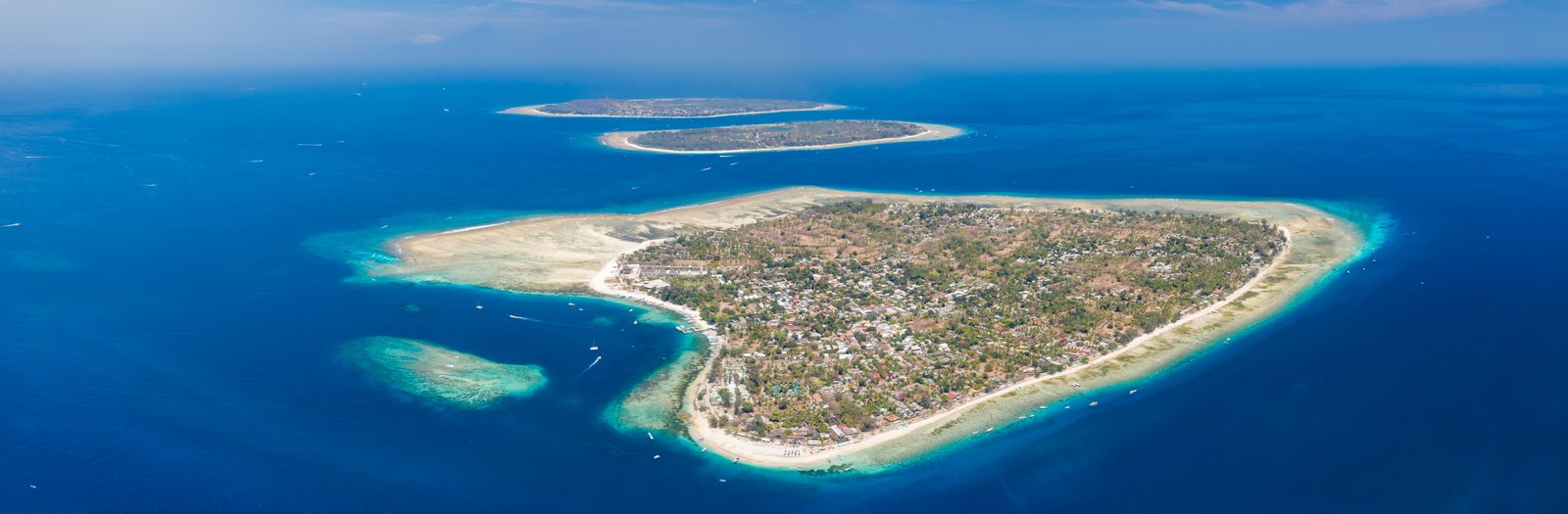
The Gili Islands are a group of small tropical islands scattered around the coast of Lombok, Indonesia. The most famous trio – Gili Trawangan, Gili Air, and Gili Meno – are located in the northwest and attract visitors with white sandy beaches, crystal-clear waters, vibrant marine life, and a laid-back vibe without any cars or motorbikes. Each island has its own character: Trawangan is lively and social, Air offers a balance of relaxation and activity, while Meno is the quietest, perfect for couples.
What many don’t know is that “gili” means “small island” in the local Sasak language, so there are many more Gili islands beyond the well-known three. In southwest Lombok, for example, you’ll find quieter, less touristy islands such as Gili Nanggu, Gili Kedis, Gili Sudak, and Gili Gede. These offer great snorkeling, peaceful beaches, and a more authentic local experience.
The Gili Islands are easily accessible by fast boat from Bali or Lombok, whether you’re heading to the popular northern islands or exploring the hidden gems in the south.
Activities and Experiences
View all Private or Shared Snorkeling Boat TripFrom Bali: Private Gili Islands Snorkeling All-InclusiveExplore Hidden Gilis: Gili Asahan, Gede, Goleng, LayarHorse Riding on the BeachDiscovery Scuba DivingPrivate Fishing Trip All InclusiveAuthentic Indonesian Food Gili Cooking ClassPrivate Beginner & Intermediate Surf LessonsSunset Boat Adventure with Luminous PlanktonGili Islands: 4-in-1 Catamaran Snorkeling ExperienceFrom Lombok: Private Gili Islands Trip w. Glass-Bottom BoatPrivate or Small-Group Snorkeling Boat TourKaktus traditional cooking class1-Hour Beginner Horse Riding ExperienceStand-Up Paddle with Drone Shot & GuideExclusive 5 Secret Gilis: Snorkeling & Island Hopping1-Hour Horse Riding AdventureExplore Hidden Gili’s Lombok : Gili Asahan, Gede, Goleng, LayarGili Islands Sunset Boat Tour and SnorkelingDiscover Scuba Diving for the first time
Latest articles
View all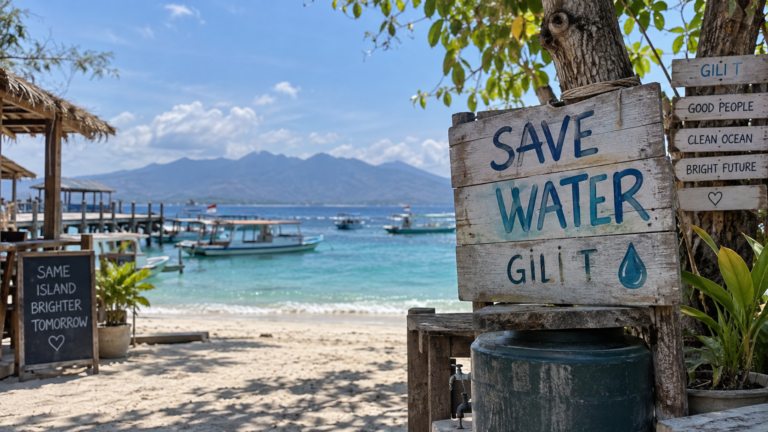

Drivers and Guides
View all Fast Boat ticketsBali: Private car or van hire with driverLombok: Private car hire with driverLombok: Airport transfer with private car
 Helicopter transferBali: Airport transfer with private carVIP transfer from/to Bali Airport
Villas on Gili
View all Trawangan NirvanaGili Ocean ClubVila OmbakPinkCoco Gili AirSea Breeze VillasDesa Dunia Beda ResortBASK Gili MenoSunscape VillaMy Island HomeBlue Marlin Dive ResortVyaana ResortLes Villas Ottalia Yoga & DivingKe Rensia Private Pool VillasOasis VillasGili Eco VillasWilson’s RetreatRelax Villas Gili AirPearl of TrawanganHani Hideaway
Restaurants and bars
View all- When is the best time to visit Gili?
The best time to visit the Gili Islands is during the dry season, which lasts from May to October. During these months, the weather is sunny, warm, and pleasant, with low humidity and calm seas – ideal conditions for swimming, snorkeling, and diving. The peak months are June to September, when the islands are at their most vibrant and the ocean is clear and calm.
If you prefer fewer crowds but still want good weather, May and October are excellent choices. These shoulder months offer a more relaxed atmosphere while still avoiding the heavy rains of the wet season.
The rainy season, from November to April, brings hotter temperatures, higher humidity, and occasional tropical downpours. While it’s still possible to visit during this time, boat schedules may be affected by rougher seas, and outdoor activities can be limited.
In summary, for the best overall experience, plan your trip between June and September.
- What are the visa requirements for visiting Gili?
If you’re visiting the Gili Islands, the same Indonesian visa rules apply.
Most travelers (including from the EU, UK, USA, and Australia) can get a Visa on Arrival (VOA) or apply in advance for an e-VOA. It’s valid for 30 days, costs around 500,000 IDR (~$35), and can be extended once for another 30 days at an immigration office (in person).
Citizens of some countries (like ASEAN nations) can enter visa-free for 30 days, but this cannot be extended.
Your passport must be valid for at least 6 months, and you must have a return or onward ticket. If you plan to stay longer than 30 days, it’s better to apply in advance for a 60-day tourist visa.
Gili Islands are usually accessed via Bali or Lombok, where visa checks happen.
- What is the local currency, and where is the best place to exchange money?
The local currency on the Gili Islands is the Indonesian Rupiah (IDR). It’s best to exchange money at licensed money changers or banks for fair rates and safe transactions. On Gili Trawangan, you’ll find several reliable money changers like CXC or Bank Mandiri. On Gili Air, there are a few exchange kiosks near the harbour, but their rates may be less favorable—always compare before exchanging larger amounts.
It’s generally safer to avoid street exchangers offering unusually good rates, as these can involve scams. ATMs are available on the islands, but they may occasionally run out of cash or be out of service, so it’s smart to withdraw in Lombok before arriving. You can also bring a multi-currency travel card or exchange a small amount of cash before your trip.
- What vaccinations or health precautions are recommended?
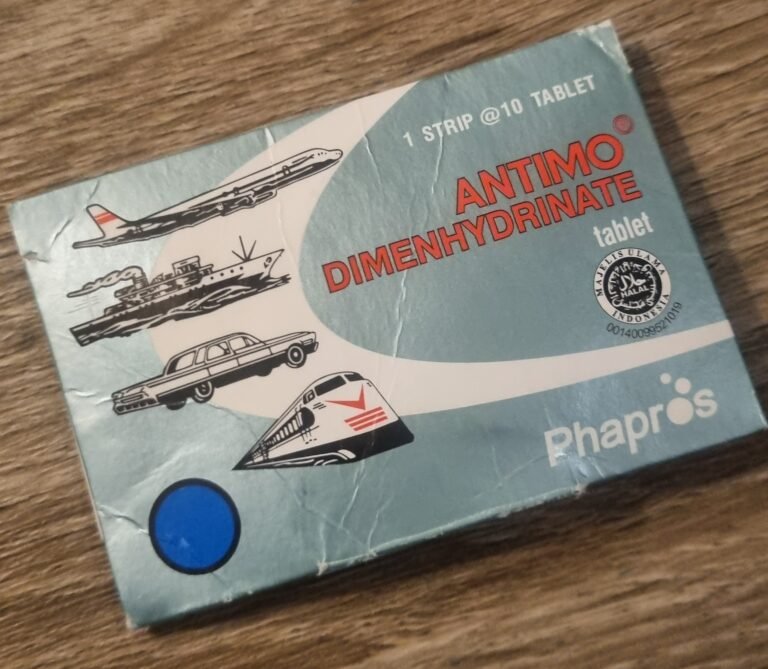
When traveling to the Gili Islands, it is recommended to get vaccinated against Hepatitis A and Typhoid, as these illnesses can be transmitted through contaminated food and water.
The Gili Islands are low-risk for malaria, but dengue fever is present year-round. To protect yourself, use mosquito repellent, wear long sleeves and pants, and sleep under a mosquito net if necessary.
Drink only bottled water, avoid ice from unknown sources, and eat food that is thoroughly cooked. Be cautious with local alcoholic drinks such as arak, as some may be contaminated with methanol—only drink at trusted, licensed venues.
It’s also important to have travel insurance that covers medical care and emergency evacuation. Ideally, plan your vaccinations 6–8 weeks before your trip.
- What are the top attractions and activities on Gili Islands?
The Gili Islands offer a wide range of activities and attractions for all types of travelers. One of the most popular experiences is snorkeling with sea turtles, especially around Turtle Point on Gili Trawangan or near the underwater statues off Gili Meno. For diving enthusiasts, the islands are part of the Coral Triangle, making them ideal for scuba diving with colorful reefs, reef sharks, and diverse marine life.
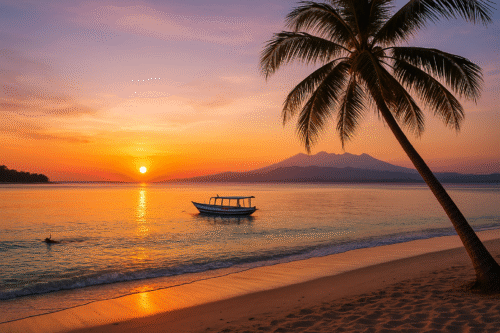
Because there are no cars or motorbikes on the islands, exploring by bicycle is a peaceful and enjoyable way to see the surroundings. Watching the sunset on the west coast of Gili Trawangan, with a view of Mount Agung, is another must-do activity.
You can also join a boat tour for island hopping between Gili Trawangan, Gili Meno, and Gili Air, usually including multiple snorkeling stops. For those looking to relax and recharge, there are plenty of yoga studios, spas, and wellness centers, especially on Gili Air and Gili Trawangan.
Gili Trawangan also offers vibrant nightlife, with beach bars, live music, and parties. In contrast, Gili Meno is much quieter, perfect for couples or anyone seeking a peaceful retreat. You’ll also find local markets and small shops where you can buy handmade souvenirs and beachwear.